Repro brightwork: when it's fine, when not
Reproduction brightwork judgment: function, visibility, fit accuracy, and whether the vendor photos hide what matters. Not a blanket yes or no.
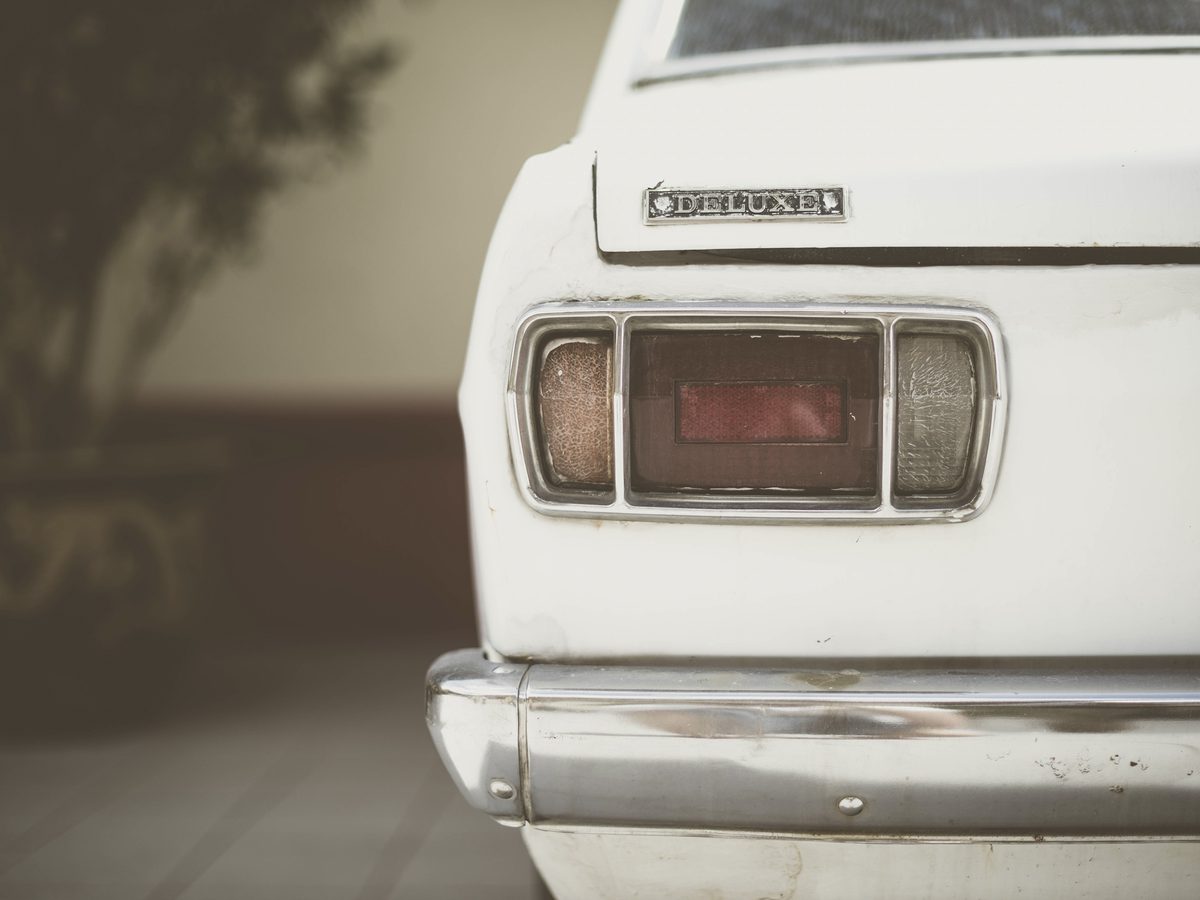
Reproduction brightwork gets two reactions: “it’s fine, no one will know” or “it’s trash, OEM only.” Both answers skip the actual question.
The actual question is narrower: Does this repro piece fit the opening, hold the seal, align with adjacent trim, and survive handling without peeling? And: Can I return it if the answer is no?
Chrome is not a personality test. It’s metal, plating, and mounting geometry. Judge it on those three.
When repro brightwork works
Repro brightwork works when fit tolerance matters more than provenance. Lower door and quarter trim on a driver that sees rain. Window frames that hold weatherstrip under compression. Bezels that mount behind functional panels, not on show carpet.
I’ll use quality repro when:
- The opening is correct. Panel repair, glass, and seal are already right. The brightwork is the last fit check, not the first hope.
- The part is not load-bearing appearance. Hidden clips and structural mounting points don’t care about plating legends.
- The vendor photographs hole spacing and backing detail. Not just hero shots of the shiny side.
- Returns survive a measurement check. I need a week to mock it cold before install.
Repro works when you measure first and finish later.
When repro brightwork fails
Repro fails when tooling shortcuts show or when mounting variance eats the margin. Upper trim on a high-visibility cowl. Script that sits proud or recessed from where it should land. Bezels whose holes don’t match because someone assumed symmetry.
I skip or delay repro when:
- Mounting holes or clip geometry are unknown. If I can’t verify backside fitment before paint, I’m not ordering final brightwork.
- The vehicle’s year or options sit in a mid-year split. Repro tooling often averages. Averages don’t bolt.
- Plating or casting quality is make-or-break for the build thesis. Show-driven car or a truck you’re documenting weekly? NOS or careful OEM hunting is the cleaner path.
- The seller has one blurry photo and a year range. “Fits 1967-1972” with no measurements is a return in waiting.
The two repro traps
Trap 1: buying trim before the panel is true
Panel dimensions matter. A repro piece made for correct body lines will not forgive filler, a tweaked door, or glass that sits wrong. Fit the structure first. Mock the brightwork second. Polish it last.
I stage repro brightwork on cardboard templates before any adhesive or fastener enters the vehicle. Not because I’m cautious. Because I’ve already eaten one restock fee on a piece that “should have fit.”
Trap 2: assuming all repro quality is equal
Repro spans from excellent reverse-engineering to melted pot metal. Some repro sources document their tooling and measure OEM samples. Others chase price and ship whatever clears customs.
I check: casting marks (if any), plating depth, clip or stud condition, whether edges are finished or raw. Then I check whether the return window survives that inspection plus a measurement pass.
Repro is not one quality level. It’s a vendor question every time.
What I actually weigh
Not “is repro acceptable.” That’s forum talk.
I weigh:
- Fit risk. Holes, clips, contour. Do I have measurements or am I hoping?
- Visibility vs function. Show centerpiece or working latch trim?
- Vendor detail. Photos of what mounts, not what shines.
- Return realism. Restock fees and “installed” exclusions kill mockup discipline.
The OEM vs NOS vs Repro guide covers the full decision framework. The Wrong Buy series tracks how trim orders fail in practice.
A working default
For daily-driven builds: quality repro for functional brightwork is fine if the vendor shows backside photos and the opening is verified.
For show or documentation builds: repro for hidden structure, OEM/NOS for visible jewelry. Match the thesis, not the forum argument.
For any build: measure before ordering. Mock before installing. Budget the return as part of the order cost.
Bottom line
Repro brightwork is fine when fit is verified and the job is functional. It’s a trap when you’re hoping the panel will correct itself or the vendor’s year range is accurate.
Stop asking “is repro okay.” Start asking “does this one fit this opening with this return policy.”
Log your brightwork choices and fitment measurements on the printable intake before the cart opens.