C10 bed swap: cab trim and bed checklist
Bed-swapped C10 cab trim reality: measure the cab year you have, then measure the bed year that showed up. Buy for both, not for the title.
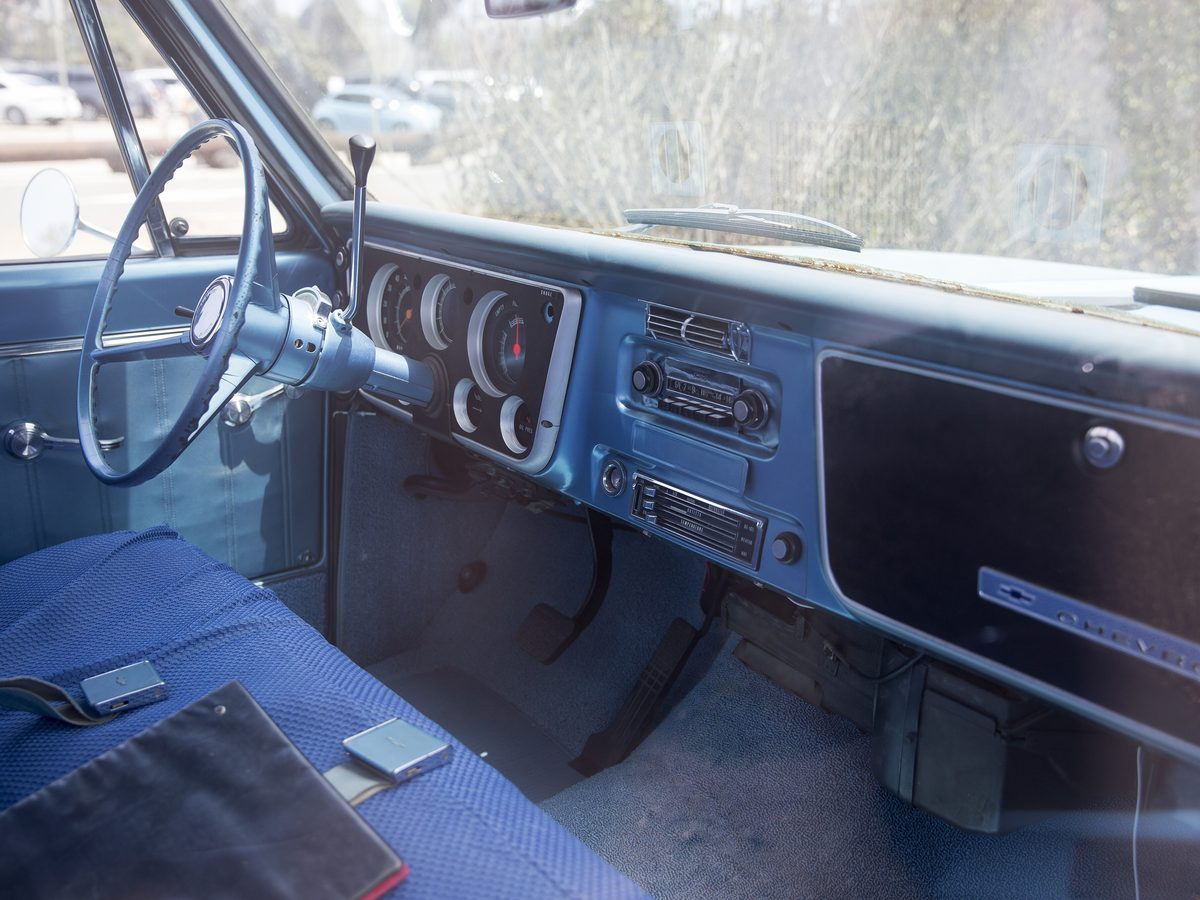
Bed-swapped C10s are common. Someone wanted a long bed. Or a short bed showed up cheap. Or the original bed rusted through and the replacement came from a different year with different money.
The swap itself is straightforward when the frame fits. The trim order gets ugly when you assume the cab and bed still agree on what year they are.
They don’t. And the parts catalog doesn’t ask.
Why cab and bed years matter separately
C10 bed and cab side moldings, tailgate trim, and bedsides-to-cab seals changed across mid-year breaks, option packages, and dual-supplier runs. A 1972 cab doesn’t guarantee 1972 bed mounting points or trim profiles.
Before I order anything visible:
- Document the cab year. Firewall tag, VIN, door jamb. Not the title.
- Measure the bed. Stake pocket shape, tailgate hinge style, trim hole patterns if they exist. Beds swap. Documentation doesn’t follow.
- Photograph both where they meet. Gap, alignment, any adapter brackets someone added.
I’m not ordering cab trim for “a 1972 C10.” I’m ordering for a specific cab that now wears a bed it didn’t leave the factory with.
Short bed or long bed: checklist before you order (1967-72)
Know which bed the frame was built for and which bed is on it now. These are the published numbers for 1967-72 C/K pickups:
- 6.5 foot bed rides on a 115 inch wheelbase. 8 foot bed rides on 127 inches (Hagerty buyer’s guide, Wikipedia).
- There were longer ones. A 9 foot bed was Stepside only, and the 8.5 foot Longhorn put a Fleetside bed on a 133 inch wheelbase (Wikipedia).
- Read the VIN. In Hagerty’s decode, 07 means the short bed wheelbase and 09 means long bed. That tells you what the frame left as. The bed on it may say something else.
- Measure wheelbase yourself, hub center to hub center. If it reads 127 and the bed is 6.5 feet, somebody swapped or shortened something. Find out which before buying trim.
- Fleetside or Stepside. Different beds, different trim. Don’t let “C10 bed trim” in a listing skip that question.
- Wood or steel floor. Both were offered (Hagerty), so a floor kit by year alone isn’t enough. Look at what’s in the bed.
The three trim zones that lie in wait
1. Cab-to-bed gap and seals
The gap between cab and bed changes with bed length, frame config, and what year bed landed on what year mounts. Seal kits are sold by cab year, bed year, or “universal.” Universal means “measure it yourself.”
I measure the actual gap before I buy a seal. Not the gap the forum says should be there.
2. Bed side moldings and stake pocket trim
Stake pocket covers, bed side moldings, and bed rail caps follow bed year and option package. Not cab year.
If the bed came from a different trim level or a year with different tooling, the catalog’s “correct” piece will not fit the bed you’re looking at. I verify hole count and spacing on the bed itself before I trust a listing.
3. Tailgate and latch trim
Tailgates swap even more often than beds. Tailgate trim, script, latch bezels, and handles follow tailgate year and market. Measure stud spacing and latch style.
A bed swap often brings a tailgate from a different year. That tailgate does not care what the cab VIN says.
What “correct” means after a swap
Correct stops meaning “catalog original” and starts meaning “fits what’s bolted to the frame right now.”
I split orders:
- Cab trim from the documented cab year, verified against firewall and door tags.
- Bed trim from the measured bed, verified against actual holes and brackets.
- Seal and gap from the gap that exists, not the gap the catalog assumes.
If a vendor asks for “the year,” I say “cab is X, bed measures like Y, here’s a photo of the gap.”
The swap-history trap
Someone before you might have already ordered wrong and forced it. Drilled new holes. Ground a bracket. Mixed two kits and kept the parts that “looked right.”
Before I trust existing holes:
- Check whether hole spacing matches more than one catalog pattern. If it does, someone improvised.
- Look for filled holes nearby. That’s evidence of a previous wrong order.
- Verify that existing trim actually closes gaps and seals. Just because it’s installed doesn’t mean it fits.
I photograph the current state, measure it, and order fresh if what’s there is a compromise.
The parts list for a swapped truck
Not:
- “1972 C10 bed trim kit”
Instead:
- Cab year: 1972, regular cab, verified firewall tag
- Bed: measures like 1970-71 Fleetside short, stake pockets match early pattern
- Gap seal: 3-inch at cab rear, custom or universal, TBD after mock
- Tailgate: handle is 1967-72 style, latch bezel matches bed year
That’s the list I send to a parts desk or use to verify online listings.
A practical walkthrough
- Tag the cab. Get the year, options, and any mid-year notes from the firewall and door tags.
- Measure the bed. Stake pockets, bed rail holes, corner bracket style, bed length.
- Photograph the gaps. Cab-to-bed, bed-to-fender, anywhere that needs a seal.
- List both years. Cab year documented. Bed year measured or best-guess from patterns.
- Order in two passes. Cab trim from cab data. Bed trim from bed measurements. Do not blend them because the listing says “set.”
The Classic Truck Fitment guide covers year-split traps across truck lines. The Truck Bay series tracks more truck-specific fitment problems.
Bottom line
Bed-swapped C10s need two fitment conversations: one for the cab, one for the bed. Ordering for “the truck” assumes they still agree. They usually don’t.
Measure both. Photograph both. Order for what you measured, not for what the title says.
Log your cab and bed years, plus measurements, on the printable intake before you order trim.
Keep reading
- Classic truck cab swaps and bed strips
- Squarebody weatherstrip vs universal kits
- Wrong emblem trim: how fitment fails
- Print the listing literacy checklist before the next order.