Squarebody weatherstrip vs universal kits
Universal C10 weatherstrip kits paper over year splits, vent window changes, and cab openings that are no longer stock. Measure the truck you have.
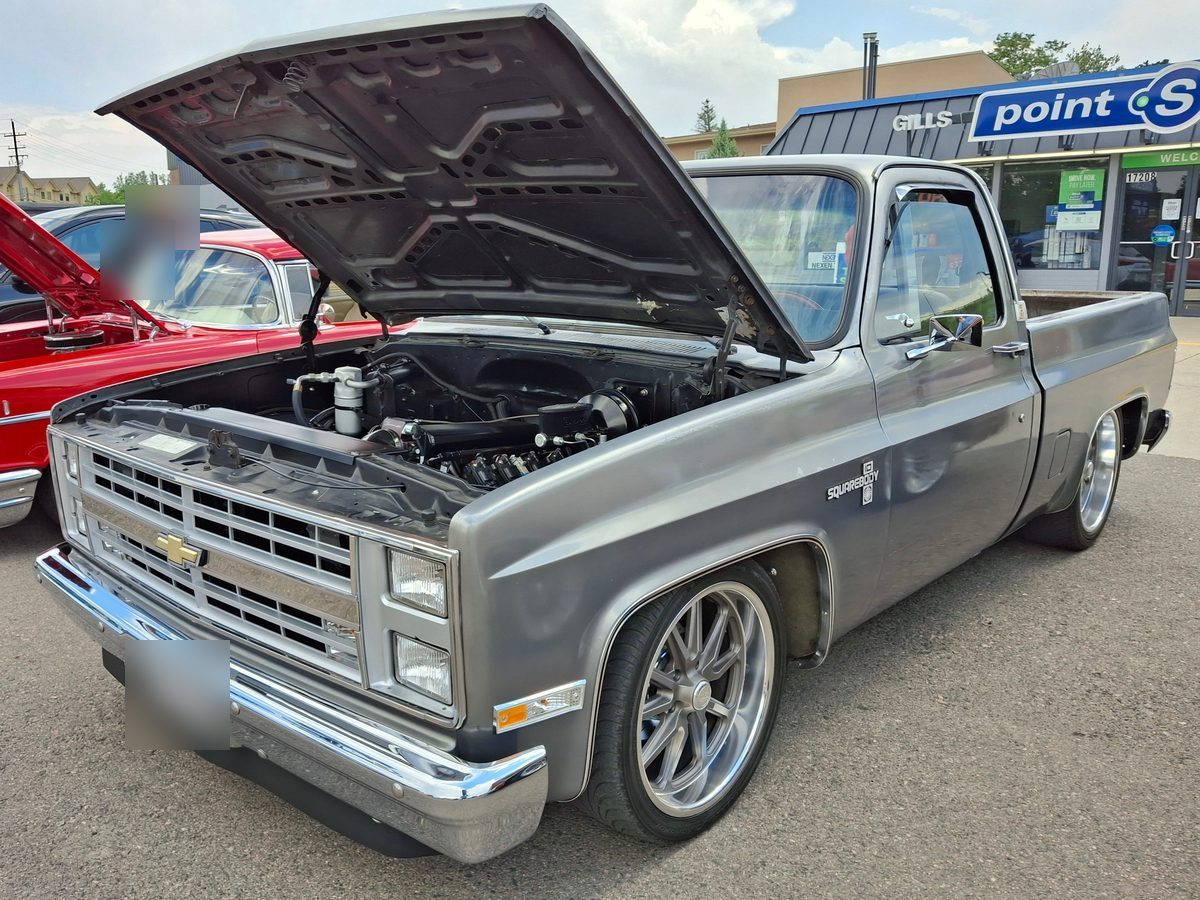
“Universal C10 weatherstrip” should not be a category. It exists because it sells. It fails because squarebody cab openings, vent windows, and door seal profiles are not one rubber shape across a decade.
If you’re shopping seals for a 1973-87 GM truck, stop treating the kit title as fitment. Treat the truck in front of you as the spec.
What “universal” usually means
It means the seller bundled enough profiles to cover search traffic, not your cab.
Typical tells:
- One kit title spanning most of the squarebody years with no early/late callouts.
- Hero shots of installed rubber on a clean truck that may not match yours.
- No backside photos of the extrusion profile or the metal carrier.
- Door, glass, and vent pieces sold as a complete set without listing which vent assembly you need.
A kit can still be useful. Universal as a promise is the problem. The classic truck fitment guide covers the wider trap set. This post is the weatherstrip case.
Year splits that bite (without the encyclopedia)
I’m not dumping every seal supersession into this page. You still need your FSM, a trusted year chart, and photos of your openings.
What operators miss in practice:
- Vent window assemblies changed. Early and late vents look close from across the shop. Their seals do not swap cleanly. If your vents were replaced from a donor, the door year on the title is not the vent year in the rubber.
- Door seal profiles and attachment methods vary. Clip spacing, height, and how the seal meets the cab opening are not identical across the run. A “close” profile that almost compresses correctly will whistle, leak, or chew itself to death.
- Back glass and rear cab openings are not one size forever. Patchwork, prior glass work, and “it’ll be fine” filler jobs change what a stock seal expects.
- Cab and door mixes are common. Body-on-frame culture means doors, glass, and seals often come from more than one truck. Catalog year alone is a weak input.
Write what is actually on the truck: cab year, door stamps if readable, vent early/late, and whether glass has been replaced. Then shop.
Why kits fail after they “fit”
Plenty of universal kits install. Installation is not the test. Sealing under weather and door slam cycles is the test.
Common failure modes:
- Profile too tall: door closes hard, seal takes a permanent set, paint rubs.
- Profile too short: looks seated, leaks at the top rear corner where you notice it last.
- Wrong carrier / clip style: holds for a week, then walks.
- Glass channel that almost matches: window binds, motor (or your arm) pays for it.
Repro rubber quality varies hard. Soft, correct-profile rubber beats NOS that has the flexibility of pottery. Age is not virtue on seals. The OEM / NOS / repro frame applies here with extra suspicion toward ancient “new” soft goods.
Measure before you fund the box
Do this before you click buy:
- Photograph each opening with the old seal still on, if any remains.
- Photograph the old seal’s profile cut end (cross-section). That one photo saves more returns than any forum thread.
- Count clips or note the attachment method on one door.
- Confirm vent early vs late on both sides. Donor swaps are uneven more often than people admit.
- Check whether the windshield / back glass openings still look stock after prior bodywork.
- Put the phase on the sheet. If paint and final opening work aren’t done, you’re early.
Buying a full weatherstrip kit during metalwork is how you fund a two-year box that smells like rubber and regret. Phase first. The restoration phases guide is blunt about soft trim timing for a reason.
How to shop a listing that might be honest
Prefer sellers who:
- List exact years and call out vent / glass splits.
- Show the extrusion profile and metal carrier, not just a pretty installed shot.
- Sell door, vent, and glass pieces as separable SKUs when the truck is a mix.
- Accept returns after a careful dry fit (read the restock math first).
Message them with your cab year, vent notes, and a photo of your old profile if you have one. A good seller answers with a specific SKU. A bad seller answers with “universal, it’ll work.”
What I’d do on a mixed squarebody
Assume nothing is stock until proved. Dry-fit critical seals before paint if openings are final enough to trust. Buy the scarce or long-lead pieces only when the phase is real, and quarantine them sealed.
If the truck is a restomod with shaved doors, custom glass, or non-stock channels, stop shopping “C10 kit” language entirely. Buy measured profiles or have weatherstrip cut from known extrusions. Catalog-year kits are for catalog-year openings.
Bottom line
Universal squarebody weatherstrip kits lie by compression: too many years, too few photos, too much confidence. Your job is to document the cab you have, distrust decade-wide kit titles, and buy seals when openings are real.
Next action: pull one door card, photograph the old seal cross-section, write early/late vent status on the intake, and only then open a listing. If the listing can’t survive those notes, it doesn’t deserve your money.