C10 disc brake conversion: fitment first
Before you click-buy a disc-brake conversion, lock spindle, bolt pattern, booster/master, and frame bracket reality. Fitment first. Catalog romance later.
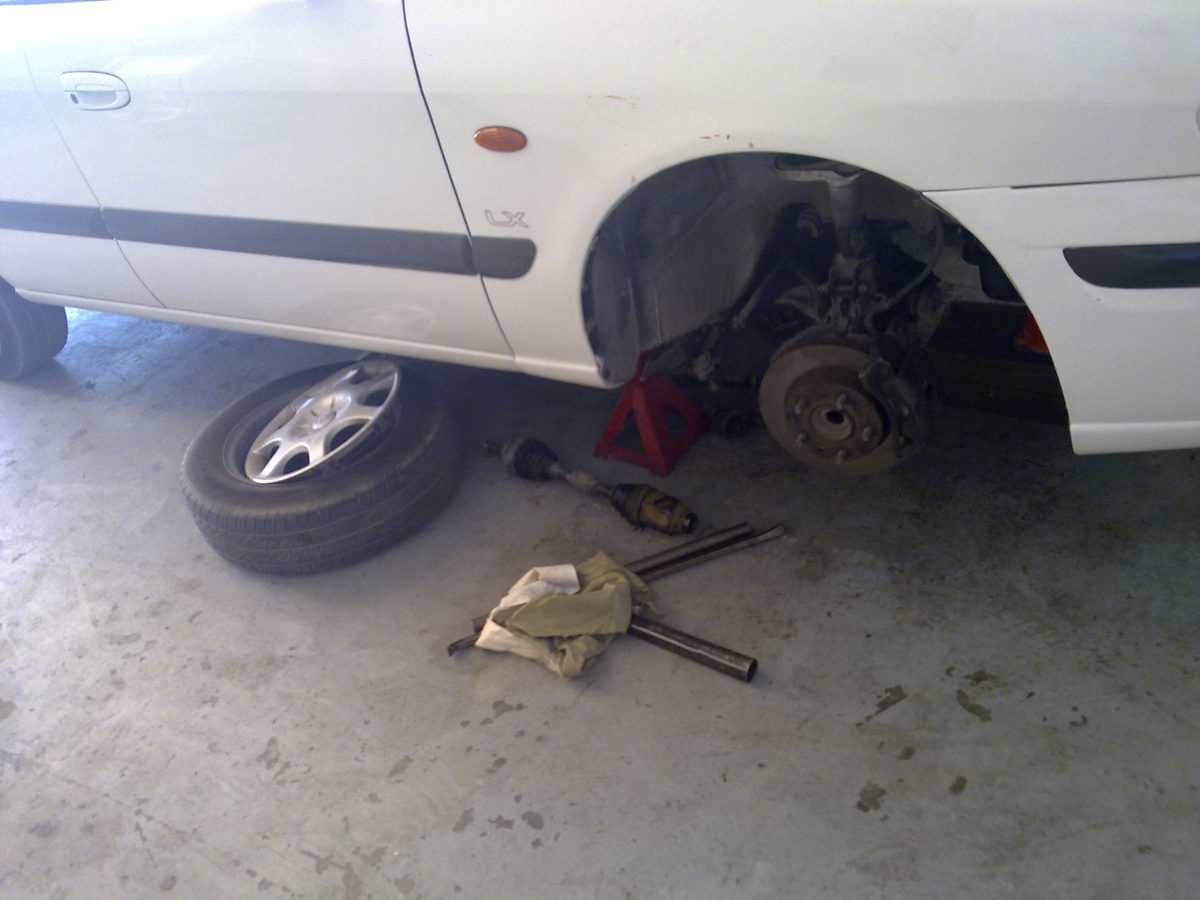
Disc-brake conversion kits sell a feeling: safer stops, modern parts, one box, done. The box is rarely done. What “fits” means has to come before the click.
I’m not writing a torque gospel or a brand shootout. Verify against your FSM and a competent brake shop for safety work. This is the shopping gate operators skip.
“Fits” is not a kit title
A listing that says “fits 1967-72 C10” (or your car’s equivalent range) is a starting claim. It is not a measurement of your spindle, hubs, wheels, booster clearance, or frame brackets.
Classic cars and classic trucks both get burned here. Trucks get burned louder because lifts, drop spindles, engine swaps, and “updated” crossmembers are normal. The year on the title is weak evidence once the chassis has been “improved.”
Read the kit like a manufacturer would read a supplier quote: what interfaces does this assume, and which of those interfaces do I still have?
The interfaces that actually decide fitment
Lock these before money moves:
- Spindle / knuckle family. Stock, drop, aftermarket, or mixed. A kit aimed at stock spindles does not quietly forgive a drop spindle you forgot to write down.
- Bolt pattern and hub. Wheel choice is not cosmetic after you change hubs. Confirm pattern, center bore, and whether your existing wheels still clear the caliper.
- Caliper clearance to wheel and dust shield. Pretty rotor photos hide tight clearances. Ask for installed dimension notes or plan a mock-up.
- Master cylinder and booster (or manual) package. Pedal ratio, bore size, and firewall/booster depth change with disc conversions. “Will work with your existing master” is a claim that needs proof, not hope.
- Proportioning and residual pressure reality. Drum-to-disc is not only hardware at the corner. How the system balances matters. Get this from competent instructions and a shop that stands behind the work, not from a forum one-liner.
- Frame brackets, steering arm, and shock clearance. Especially on trucks: lifted or lowered geometry changes what a “bolt-on” bracket hits.
- Hard lines and hoses. Banjo vs flare, length, and routing after headers or a swap. Soft lines that “came in the kit” still need to match the caliper you received.
If you can’t answer items 1 through 4 on paper, you’re not shopping a conversion. You’re shopping a project you haven’t scoped.
C10 by year: 1963-70 vs 1971-72
On a 2WD C10 the brake year split that matters is not the 1967 body change. It’s 1971.
- 1963-70 trucks came with front drums on a 6 x 5.5 bolt pattern. GM went to front discs on 2WD trucks in 1971 and changed the pattern to 5 x 5 at the same time. CPP’s kit notes spell that out (CPP 63-70 kit).
- That’s why kits are sold 63-70 and 71-72, not 63-66 and 67-72. CPP sells a 63-70 kit and a separate 71-72 kit. Buy for the side of 1971 your truck is on.
- Ball joints are a real split. Simple C10’s 63-70 kit keeps your original ball joints and tie rod ends, and says it only works on a 71-72 if the ball joints get changed to the 63-70 style (Simple C10). Other kits ship 1973-87 style ball joints and tie rods to match their spindles (Wolf Design, Classic Industries). Know which one is in the box.
- The kit makes you pick a bolt pattern. Pick it on purpose. 63-70 kits come in 6 x 5.5 or 5 x 5. Go 5 x 5 and your 6-lug wheels don’t bolt on anymore, and the rear still runs whatever pattern it has.
- A few listings still split at the body change. Classic Industries lists some drop spindle sets as 1963-66 only and others as 1967-70 only. If a listing gives a narrower range than 63-70, believe the narrower range and ask why.
- Wheels move out. CPP’s stock height kit lists 9/16 inch per side. Simple C10 lists about 0.75 inch per side and warns its kit may not work with factory 15 inch drum brake wheels. Check wheel and fender clearance before the order, not after.
Cars and trucks share the trap; trucks add a few
Same core mistake: buying the kit for the production year instead of the chassis you have.
Truck-specific extras:
- Lift / drop and tire package change caliper-to-wheel clearance and hose length.
- Engine and exhaust swaps move brackets and steal space the booster wanted.
- Cab/bed identity theater doesn’t matter here. Frame and spindle identity do. Write those on the intake, not just the VIN year.
- Dual-source and dual-revision kits. Same product name, different bracket revision six months later. Photo the brackets in your shipment before you throw packaging away.
The classic truck fitment guide covers frame-bracket amnesia in general. Apply it before you fund rotors.
Phase this like hard mechanical work
A disc conversion is a systems-gate purchase, not a trim-gate trophy.
Do not buy the shiny rotor kit while metalwork still moves brackets around, or while the wheel/tire package is still a Pinterest board. Measure first. Decide wheels. Confirm booster clearance. Then buy.
Put it on the phase plan as mechanical hard parts with a written install window. If it won’t go on in 90 days, you’re early unless a scarce revision truly requires quarantine. Most brake kits are not scarce. They’re heavy, return-hostile, and easy to buy twice. See the restoration phases guide for the gate sequence; this post is the fitment filter inside that gate.
How to read a conversion listing without getting sold
Demand:
- Exact spindle / axle assumptions in writing.
- Photos of brackets and calipers in the kit revision shipping now.
- Wheel clearance notes or a clear “mock-up required” warning.
- Master / booster requirements stated as requirements, not vibes.
- A return path that survives a dry fit (restock fees on heavy brake parts are real; read them cold).
Reject:
- Decade-wide “fits all” language with no spindle callout.
- Stock photos only.
- “Same as OEM disc” without telling you which OEM disc year and which spindle.
- Upsells for chrome dress-up before the mechanical interfaces are locked.
Message the seller with your spindle type, bolt pattern, wheel size, and whether the truck (or car) is lifted, lowered, or swapped. If they can’t answer specifically, they are selling a search result, not a fitment.
Safety note without the lecture
Brakes are not weatherstrip. A wrong emblem costs a restock fee. A wrong brake assumption costs trust in the vehicle.
Dry-fit, measure, and have critical work checked by someone who does brake systems for a living if you’re not that person. Educational posts are not a substitute for a competent install or a licensed procedure. Verify against your FSM and the kit’s current instructions for your revision.
Bottom line
What fits means spindle, hub, wheel, booster/master, and bracket reality on the vehicle you have. Kit titles are marketing. Phase the buy with the mechanical gate, not with fear of “selling out.”
Next action: fill the intake with spindle type, bolt pattern, wheel package, booster/manual plan, and known frame changes. Only open conversion listings that can answer those lines in writing.
Keep reading
- Classic truck cab swaps and bed strips
- How to read a parts listing before you buy
- Phase a restoration so parts don’t sit
- Print the listing literacy checklist before the next order.