Phase a restoration so parts don't sit
Buy only for the phase the car is actually in. Park the early temptation buys. Stop paying for boxes that outlast your motivation.
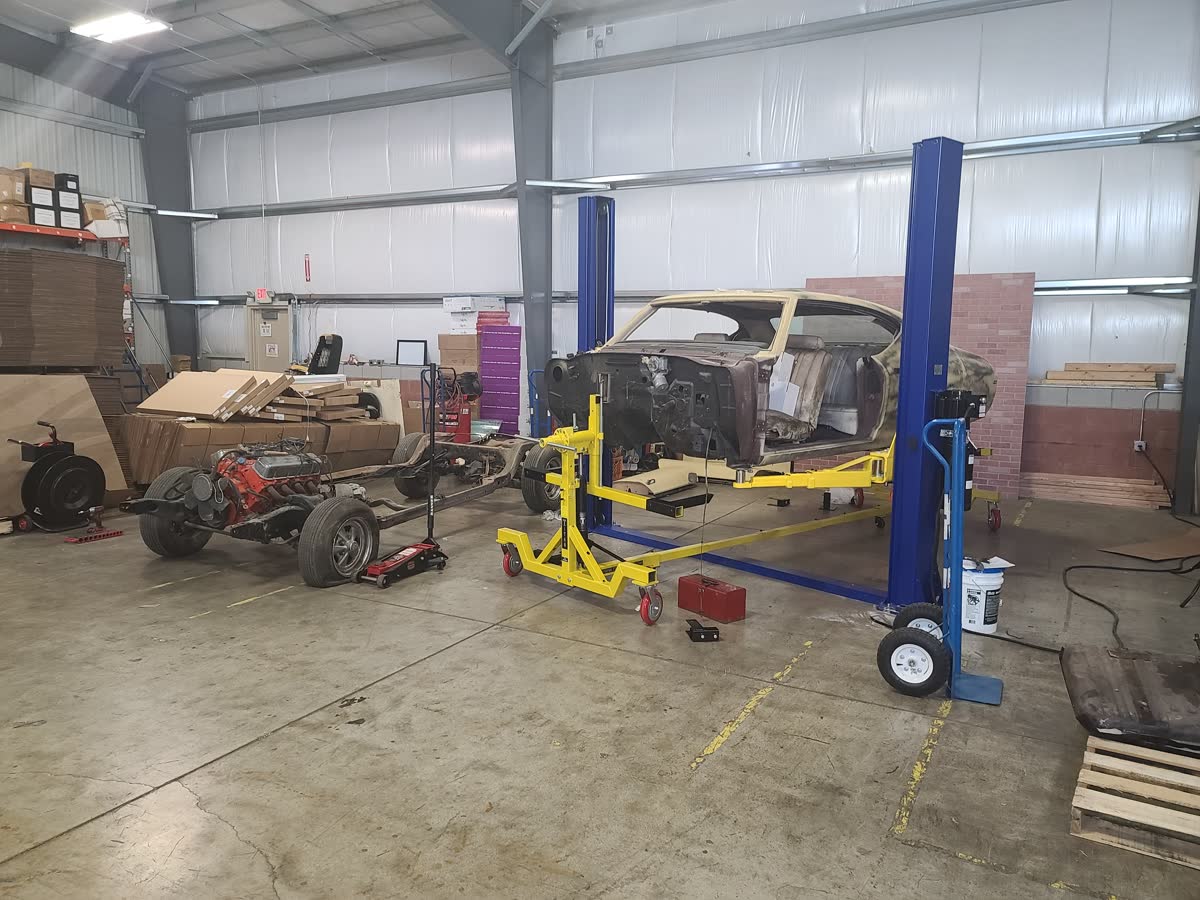
Most stalled restorations didn’t stall because nobody could find a water pump. They stalled because the pump, the interior kit, the brightwork, and a couple of “while I’m at it” emblem sets showed up during metalwork. Then it all sat in cardboard while you moved on to another project, another season, or another excuse.
I didn’t pick the car I’m working on. My son’s 2011 GTI came to me through life, and working on it keeps me close to him and keeps his memory strong. I’ve never had a project stall with parts sitting on the shelf, because I only order what I need when I need it. I do let projects sit idle for stretches, though, and when I come back I usually change my mind about something.
Phasing is one buying rule: money only goes out for the phase the car is in right now. The restoration phases guide lays out the full gate system. This post is the short version for the guy with a cart open.
Name the phase in one sentence
If you can’t fill this in, you’re not ready to order:
“Right now the car is in ____, and the only parts I’m buying move ____ forward.”
Truck in the bay instead of a car? Same sentence.
What each phase actually buys:
- Teardown and documentation: bags, tags, a marker, decent light for photos, a parts washer. Not a headliner.
- Metal and structure: floor pans, braces, patch panels you’ve already held up to the hole. Not door panels.
- Mechanical: machine work and rebuild parts after you’ve measured. Not a gasket set for a rear end you haven’t opened.
- Paint and body: consumables and panels that are already fitted. Not the NOS script everyone at cruise night wants to touch.
- Reassembly and trim: now buy the fussy visible stuff, because the body won’t change shape on you anymore.
“Getting it going” is not a phase. That’s how a grille ends up in the attic on a car that still needs rockers.
Why boxes sit for years
Three habits stack up:
- Lead-time panic. “This might go NLA” turns into permission to buy out of order.
- Sale emails. Package deals reward volume, not readiness.
- Buying the feeling. A new emblem feels like progress on the car. It isn’t. The car is still on jack stands.
Scarce, long-lead parts go on a separate list. That list is not a pass to the checkout. If something really is hard to find and you’ll need it later, it gets a labeled shelf, a photo of the packaging, and a note to recheck fitment before its phase opens. It does not go behind the lawnmower in a box marked “misc.”
The gates, in order
- Identity: year, body, market, documented options, known mid-year changes. No identity, no cosmetic orders.
- Structure: body dimensions and repairs you trust. No weatherstrip or glass until the door and window openings are final.
- Systems: engine, trans, rear end, brakes, fuel. These decisions move brackets and lines, so they come before anything that bolts to those brackets.
- Finish: paint process settled, so you stop handling bare brightwork with greasy gloves.
- Trim: emblems, visible fasteners, interior. This is where reading a parts listing carefully pays off.
You can skip a gate on purpose. Write down why on the one-page intake. An unwritten skip turns into a guessing game six months later when nobody remembers if that bezel was early or late.
Shelf rules that work
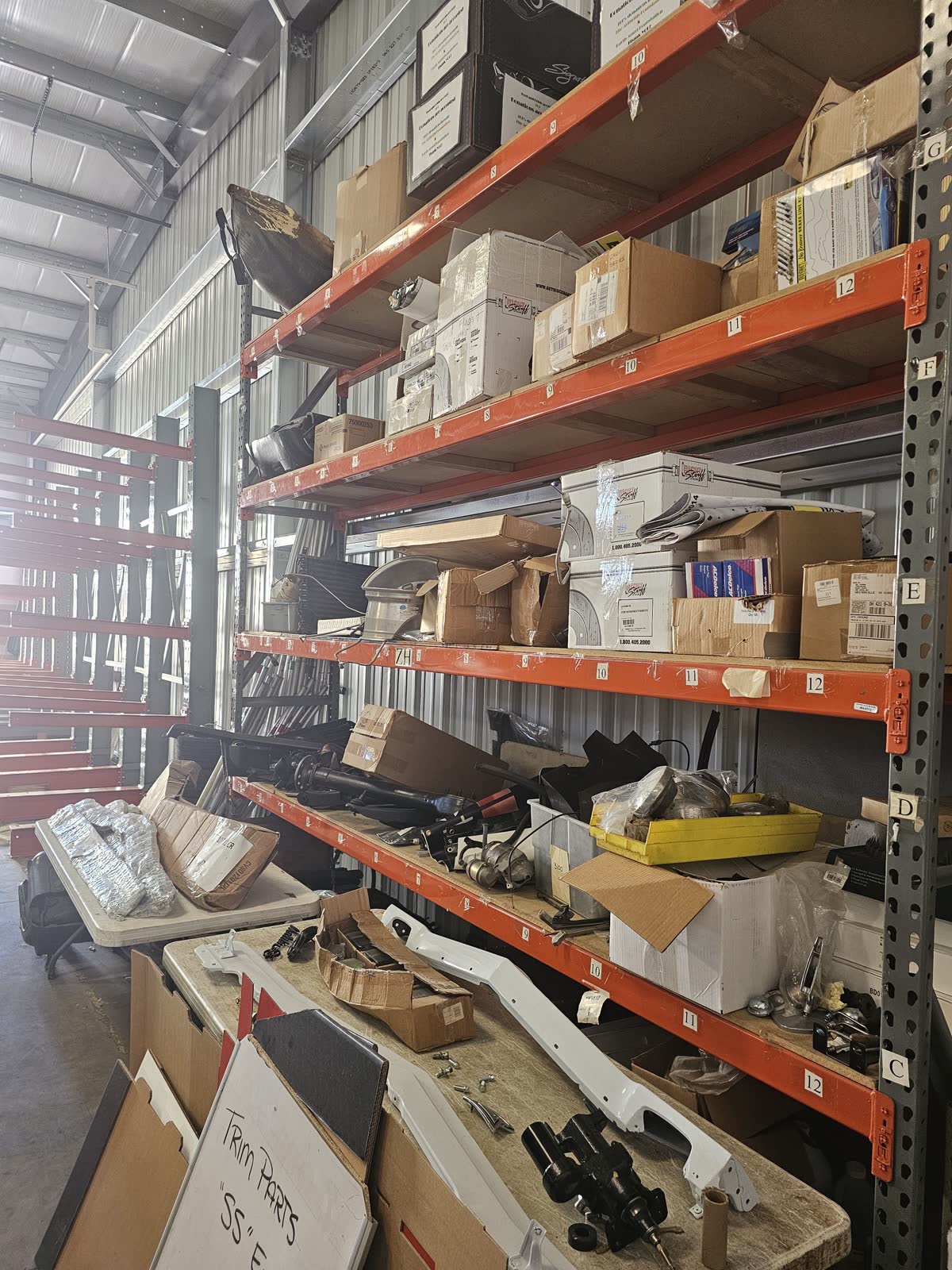
- One active shelf per phase. Parts for later phases go on a separate shelf with a do-not-open date.
- Don’t open packages until you install or measure. Torn packaging can kill a return. RockAuto, for one, wants parts back in the original, unmarked box. Read your seller’s policy before you tear anything.
- Photograph the receipt and part number the day it arrives. You won’t remember which seller sent the almost-right piece.
- Budget by phase, not by the whole car. A lifetime number makes every sale email feel urgent.
What I won’t buy early (usually)
Interior soft trim. Full weatherstrip kits. Show-polish brightwork. Wheels and tires “for when it’s done.” Anything whose fit depends on a body that still moves when you weld it. Bed wood while the bed frame is still getting repaired.
Exceptions happen when the part is documented, actually scarce, and measured against your car. The default answer is no. The Phase Plans series has more on sequencing.
Three questions before checkout
- Does this part go on the car in the next 90 days?
- If not, do I have dry storage and a written phase that calls for it?
- If the listing is wrong about fitment, what does the return cost me? (Restock fee, return shipping, return window. Here’s how that math works.)
If you can’t answer all three, you’re not phasing. You’re collecting.
I wait to buy parts, and I’m usually glad I did, because I rarely keep the same idea by the time the real work starts. Right now I’m restoring a 1979 Honda PA50. It’s been completely apart for six months, and I haven’t bought a single part for it, because I don’t know when I’ll actually get it back together.
Phasing won’t make month one faster. It makes month twenty-four less embarrassing, when you open a box and find a part you already bought twice: once with cash and once with the trust you used to have in your own plan.
Fill out the printable intake before the next cart opens. Identity, phase, fitment risks, order gate. One page.
Keep reading
- Budget the phase, not the fantasy car
- Parts spreadsheet built on the phase plan
- One-page restoration intake before you buy
- Print the phase budget one-pager before the next order.