One-page restoration intake before you buy
The fields that earn a place on a single printed page: identity, phase gate, fitment risks, and an order veto. Before the cart opens.
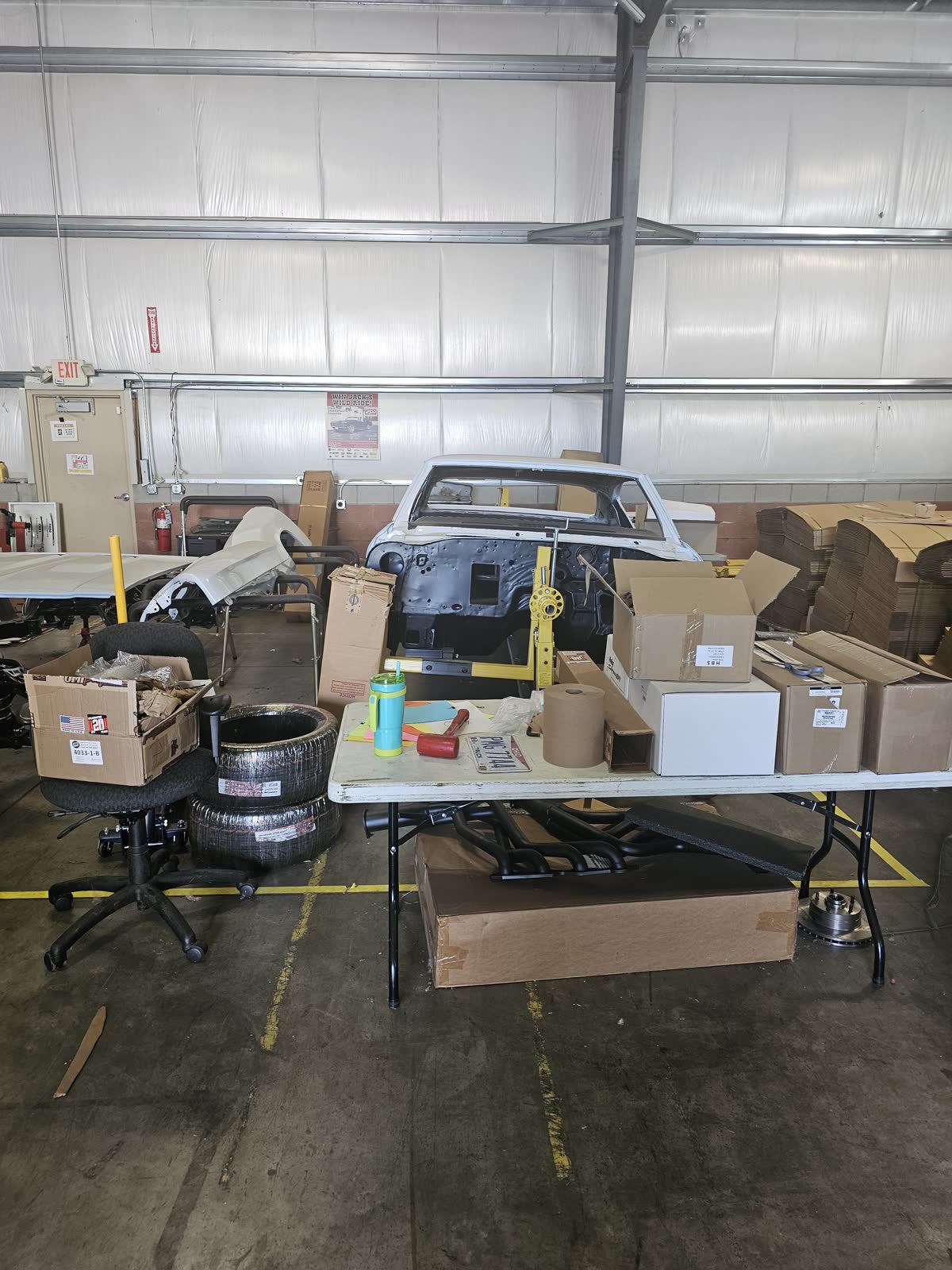
You don’t need a 40-tab spreadsheet to stop stupid parts orders. You need one page that’s annoying enough to slow you down and short enough that you’ll actually use it.
That’s the printable restoration intake on this site. Here’s why those fields exist, and what I refuse to put on the page.
Works the same for a classic car or a classic truck. The sheet doesn’t care which bay you’re standing in.
The job of the page
The intake is not a build plan. It’s a purchase brake.
It answers: Who is this vehicle, what phase is true, what fitment can kill this order, and who is allowed to approve spend?
If a field doesn’t change a buy / no-buy decision, it doesn’t deserve ink. The intake checklist guide explains how each gate fits into restoration discipline.
Vehicle identity
Year / make / model / body. Market / plant / options. VIN (even last eight for a shop copy). Whether you have a build sheet or trim tag.
Without identity, every listing turns into persuasive fiction. People order interior kits for the wrong column-shift setup because “it looked like my car online.” Same mess shows up on trucks when cab year and bed year don’t match and nobody wrote that down.
Identity isn’t bureaucracy. Identity is fitment upstream.
Phase gate
Current phase. Next phase (the only one you may buy for). A hard stop date if any. Where incoming parts will live.
This section exists to make early buying feel like a broken promise instead of a treat. If the next phase is metalwork, the intake should make an interior kit look ridiculous on paper. See how to phase a classic restoration for the full gate system.
Storage matters. A part without a shelf is a future lost weekend.
Fitment risks
Must-match items. Acceptable repro zones. Year-split traps. What you will measure or photograph before checkout.
This is where literacy beats optimism. Name the traps for this vehicle. Not a generic warning. Your mid-year change. Your dual-source bezel. Your early-script / late-script problem. Your cab-vs-bed year mismatch.
If you can’t name a risk, you’re not ready. Or the part is truly commodity. Be honest about which.
Order gate
Budget for this phase only. Lead-time tolerance. Return policy check. Approver name. A do-not-buy list. A signature line.
The signature is theatrical on purpose. Adults still respond to theater when money and identity get mixed.
The do-not-buy list is the most valuable square on the page. Write the seductive junk there while you’re sober.
What I leave off (on purpose)
- Full fastener inventories
- Color-chip novels
- Vendor preference essays
- A complete schedule of the next three years
- Motivational quotes
Those belong in other tools, or nowhere. The intake has to survive a toolbox and a bad mood.
How to run it
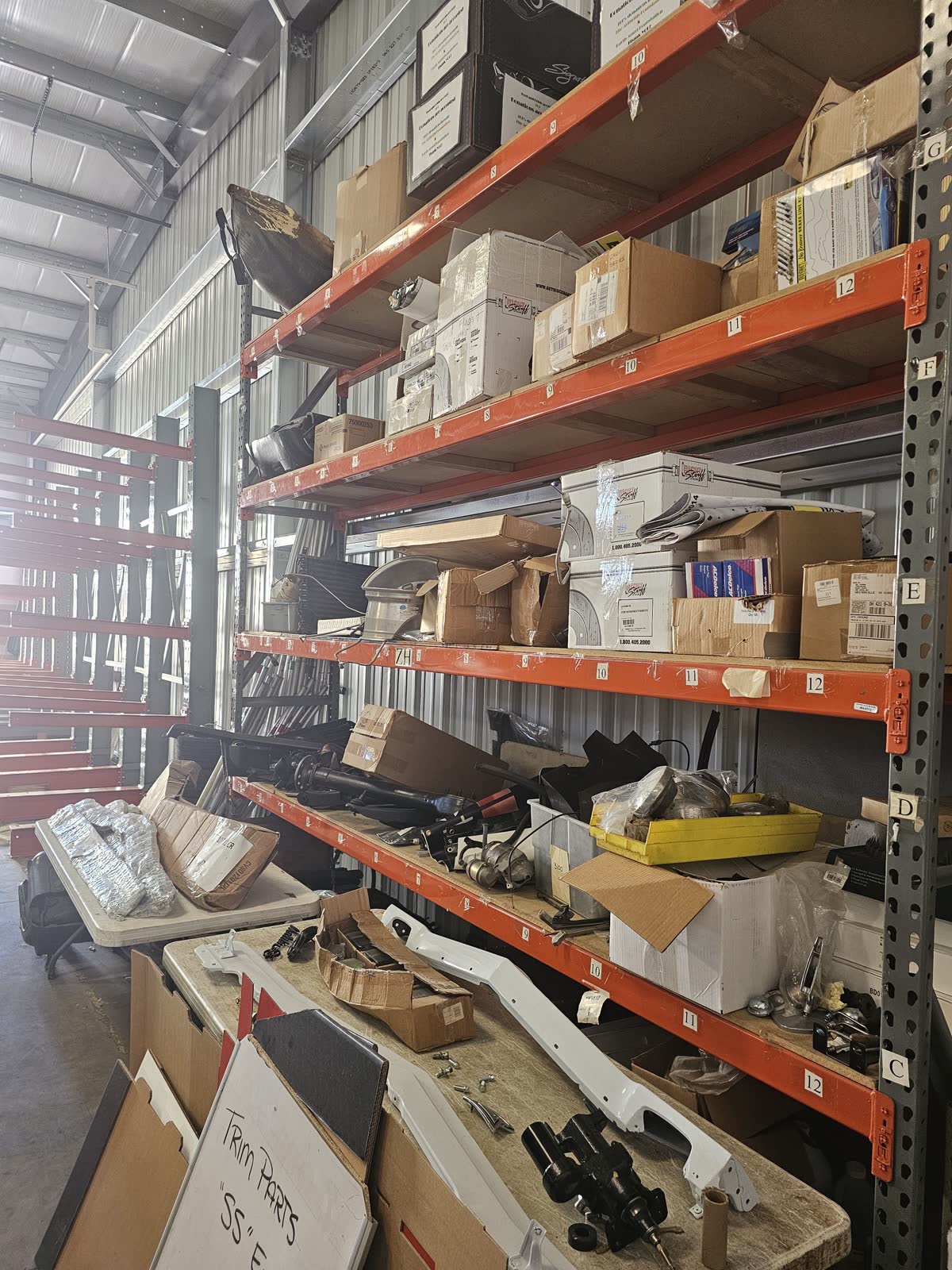
- Print the page from /intake/.
- Fill it before the browser tab with the shopping cart.
- If an item isn’t for the active phase and isn’t on a scarce-item exception list, it waits.
- When the phase changes, rewrite the page. Don’t edit in invisible pencil forever.
Why this sits in System
This isn’t romance about craft. It’s an operating habit for a messy multi-year project. You put gates where defect costs compound. Wrong parts compound.
If you only steal one idea: budget and permission attach to a phase, not to a feeling. See budget the phase, not the fantasy car for the discipline.
The page will not restore the car or the truck. It might stop you from funding a museum of almost-right trim while the floors are still air.
Keep reading
- Parts spreadsheet built on the phase plan
- Budget the phase, not the fantasy car
- Print the printable restoration intake before the next order.